Bread goes stale in a particular way, and a lot of common storage advice fights the wrong enemy. Staling is mainly about starch. After baking, the starches in the crumb slowly recrystallize and push water out, a process bakers call retrogradation. The loaf feels dry and firm even though much of its water is still inside it. Temperature controls how fast that happens, which is why the storage question is really a temperature question.
Below, the common claims about storing bread in a Lincolnton kitchen are sorted into true, false, and it depends, so you can store each loaf for the job it has to do.
Myths and facts, sorted
| Claim | Verdict | What is actually going on |
|---|---|---|
| The fridge keeps bread fresh longest | False | Refrigerator temperatures are near the range where starch recrystallization runs fastest, so refrigerated bread stales quicker than bread kept at room temperature. The fridge fights mold, not staling. |
| Freezing ruins bread | False, if done right | Freezing nearly stops staling. Slice first, wrap tightly, and freeze fresh. Thawed slices toast well and whole loaves can be refreshed in the oven. |
| A plastic bag is always best | It depends | Plastic holds moisture and keeps soft rolls soft, but it traps humidity against a crusty loaf and turns the crust soft, and in a warm kitchen it can encourage mold. |
| Paper or a bread box suits crusty loaves | True, for a day or two | Some air exchange keeps the crust crisp while slowing drying. Past a couple of days, even a bread box cannot stop staling, so freeze the rest. |
| Stale bread is spoiled bread | False | Stale means the starch changed, not that the bread is unsafe. Heat reverses much of it temporarily. Mold is the real discard signal, and moldy bread should go entirely, not just the spotted slice. |
| The oven can revive a loaf | True, briefly | A short spell in a hot oven, sometimes after a quick pass under water for a crusty loaf, melts the starch crystals and softens the crumb for a few hours. It works once well, not repeatedly. |
The counter: best for today and tomorrow
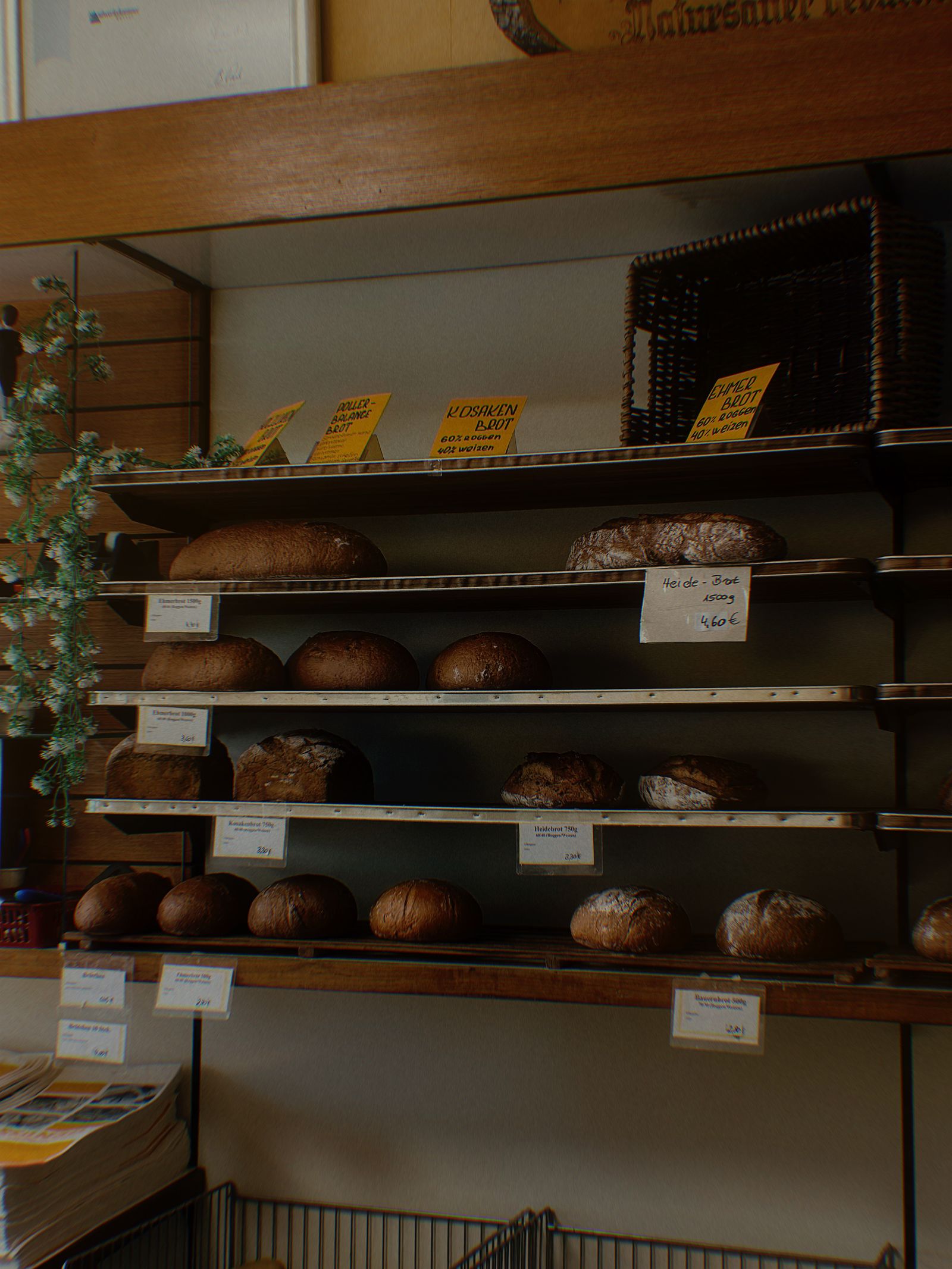
For bread you will eat within a day or two, the counter is the right answer. Keep it cut side down on a board, or in paper, a cloth bag, or a bread box, away from the heat of the stove and out of direct sun. In a humid Lincolnton summer, watch soft breads for mold sooner than you would in winter. Warm, damp air shortens the safe counter life of a soft loaf even as it keeps the crumb feeling moist.
Pan dulce and other enriched, sweet breads follow the same logic with one adjustment: their sugar and fat keep the crumb soft a little longer, but fillings and glazes can turn sticky in humidity. Airtight storage once the bread is fully cool usually serves them better than an open bread box.
The freezer: best for anything longer
Freezing is the underused option. The method matters more than the freezer. Freeze bread while it is still fresh, not after it has already staled, because freezing pauses the clock rather than turning it back. Slice sandwich loaves before freezing so you can take pieces as needed. Wrap rolls and loaves tightly, press out excess air, and use them within a few months for best flavor. Thaw slices straight into the toaster. Thaw a whole loaf wrapped at room temperature, then give it a short time in a hot oven to bring the crust back.
Where the fridge does belong
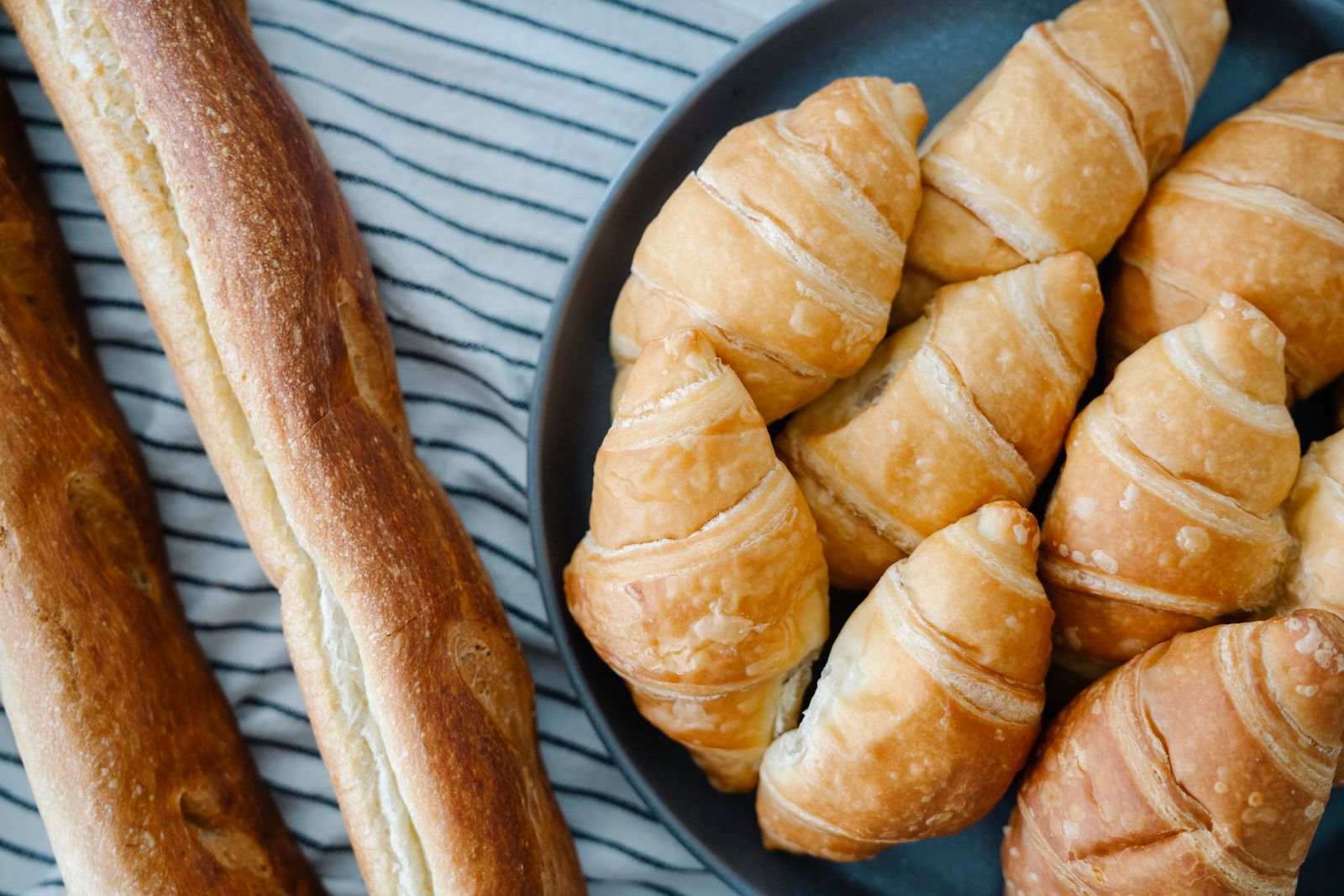
The fridge has one legitimate bread job: breads with perishable fillings. A roll or pastry filled with cream, custard, cheese, or meat belongs in refrigeration for food safety, whatever it does to texture. That trade is worth it. Eat those items sooner, and let them lose a little chill before serving so the filling tastes like something. Plain bread, rolls to go, and crusty loaves from a bakery like Tico Pan Bakery almost never belong in the fridge. Counter for a day or two, freezer for longer, is the simple rule that covers most of what a household buys.
Common questions
How long does fresh bread keep on the counter?
Crusty loaves are best the first day and acceptable the second. Soft and enriched breads often keep two to three days, less in hot, humid weather when mold starts sooner.
Can I freeze pan dulce and sweet breads?
Yes. Wrap them tightly while fresh and thaw at room temperature still wrapped. Glazes may soften slightly, but the crumb keeps well for a few weeks.
My loaf went stale in one day. Was it old when I bought it?
Not necessarily. A lean, crusty loaf stales noticeably within a day by nature. Refresh it in a hot oven, or plan to freeze half of any large loaf on the day you buy it.
Photos in this guide are representative stock images.
← All guides from Tico Pan Bakery← Back to Tico Pan Bakery