You do not need to keep a starter, know what a levain is, or care about fermentation schedules to enjoy sourdough. You only need to know what it does differently in your mouth. Sourdough is bread leavened by a living culture of wild yeast and bacteria instead of, or alongside, commercial yeast. The bacteria produce acids. Those acids are the whole story: the tang, the keeping quality, and much of the crust.
This is a buyer's guide, not a baker's one. It explains the differences you can actually taste and gives you a way to choose a loaf in Lincolnton by what you plan to do with it.
Starter, tang, and crust in plain terms
A starter is a jar of flour and water that bakers feed regularly to keep its yeast and bacteria alive. A portion of it goes into the dough, where it works slowly, often for many hours. That long, slow rise builds flavor that a fast commercial yeast rise cannot. The bacteria make lactic acid, which tastes mild and slightly milky, and acetic acid, which is sharper and more vinegar-like. A loaf heavy on lactic acid tastes gently tangy. A loaf with more acetic acid tastes assertively sour. Both are legitimately sourdough. They are just different balances.
The crust tends to be thicker and more deeply colored than on a comparable yeasted loaf, partly because the acids and long fermentation change how the surface browns. The crumb is often chewier and more open, with irregular holes. Sourdough also keeps a little longer on the counter than a similar plain yeasted bread, because its acidity slows mold and staling. A little longer means a day or so of grace, not a week.
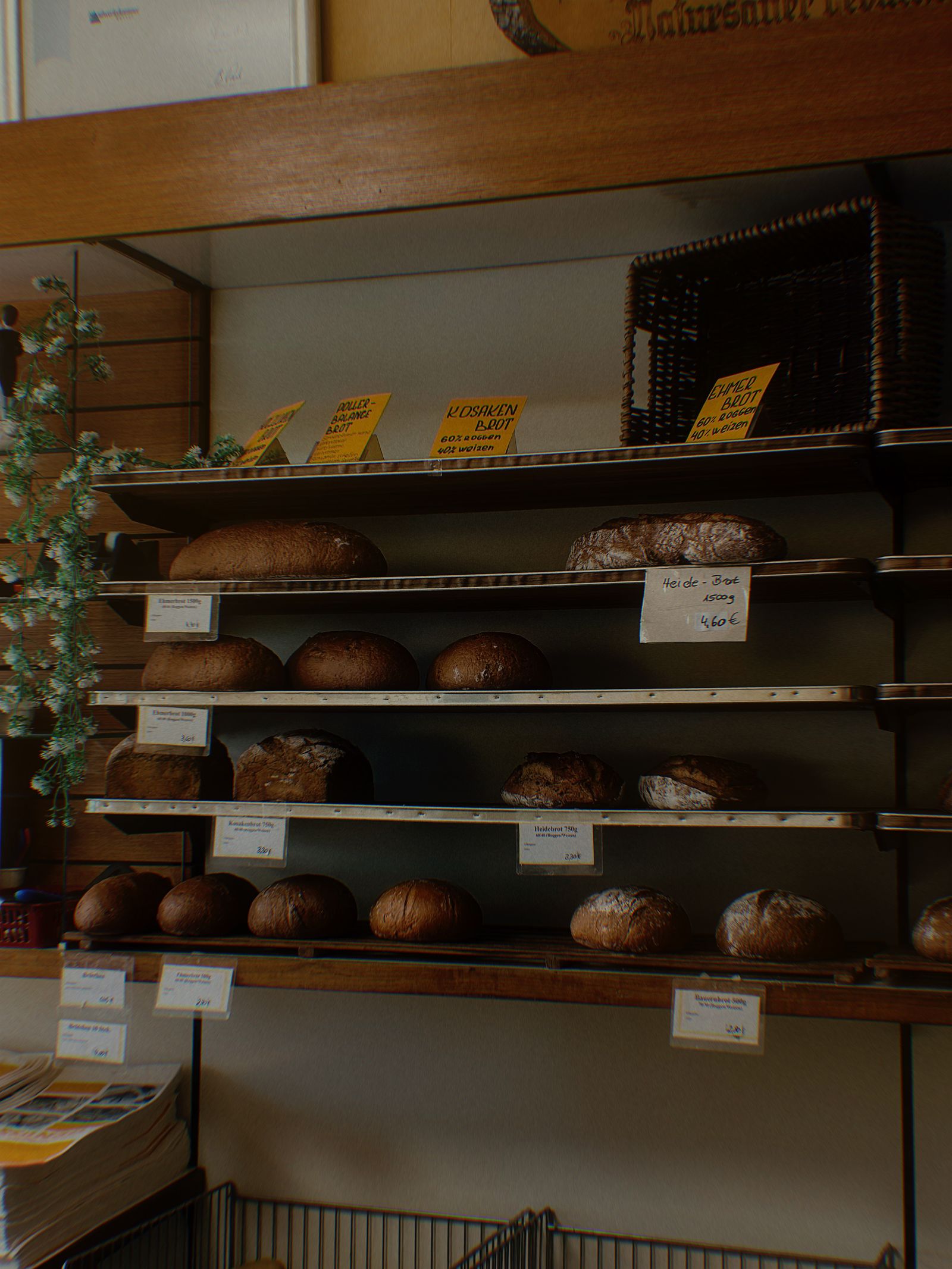
Choosing by what is for dinner
| If you want | Look for | Flavor and texture to expect | Watch out for |
|---|---|---|---|
| A daily sandwich loaf | A pan-baked sourdough, often with some whole grain or a touch of honey or milk in the recipe | Mild tang, softer and more even crumb that slices cleanly | A very open, crusty boule makes poor sandwiches, however good it tastes on its own |
| A table loaf for soup or stew | A round crusty boule with a dark, well-baked crust | Chew, a pronounced tang, and a crust that holds up when dipped | Underbaked pale crusts go soft within hours, especially in summer humidity |
| Toast that stands out | A denser, more sour loaf, sliced thick | Acids and sugars brown deeply, giving crisp edges and a tang that survives butter and jam | Very sour loaves can overwhelm delicate toppings like soft cheese or honey |
| A gentler first loaf for skeptics | A white or blended sourdough described as mild, or a sourdough enriched roll | Light tang in the background, familiar soft texture | Some flavored or sweetened loaves labeled sourdough style use only a little starter for flavor |
| Bread for a cheese board | A walnut, olive, or seeded sourdough, or a plain boule sliced thin | Savory additions and acidity cut through rich cheese well | Strongly flavored loaves compete with mild cheeses, so match intensity to intensity |
How to tell what you are buying
Read and ask, in that order. Ingredients for a traditional sourdough are short: flour, water, salt, and starter. A loaf that also lists commercial yeast is not automatically a fake, since many bakeries use a small amount for reliability, but it will usually taste milder. The word sourdough on its own does not guarantee a long fermentation. Some large-scale bread gets its sour flavor from added acids or flavorings instead of a live culture, which produces tang without the texture or keeping quality.
At a local bakery counter, two questions settle most of it. Is it leavened with starter, and how sour is this one compared with your others? Staff who bake it answer those easily. Shape is the other clue: a tight pan loaf is built for slicing, a round boule for tearing and dipping, a long loaf for serving a crowd. Picking the shape for the meal does more for your dinner than chasing the sourest loaf available.
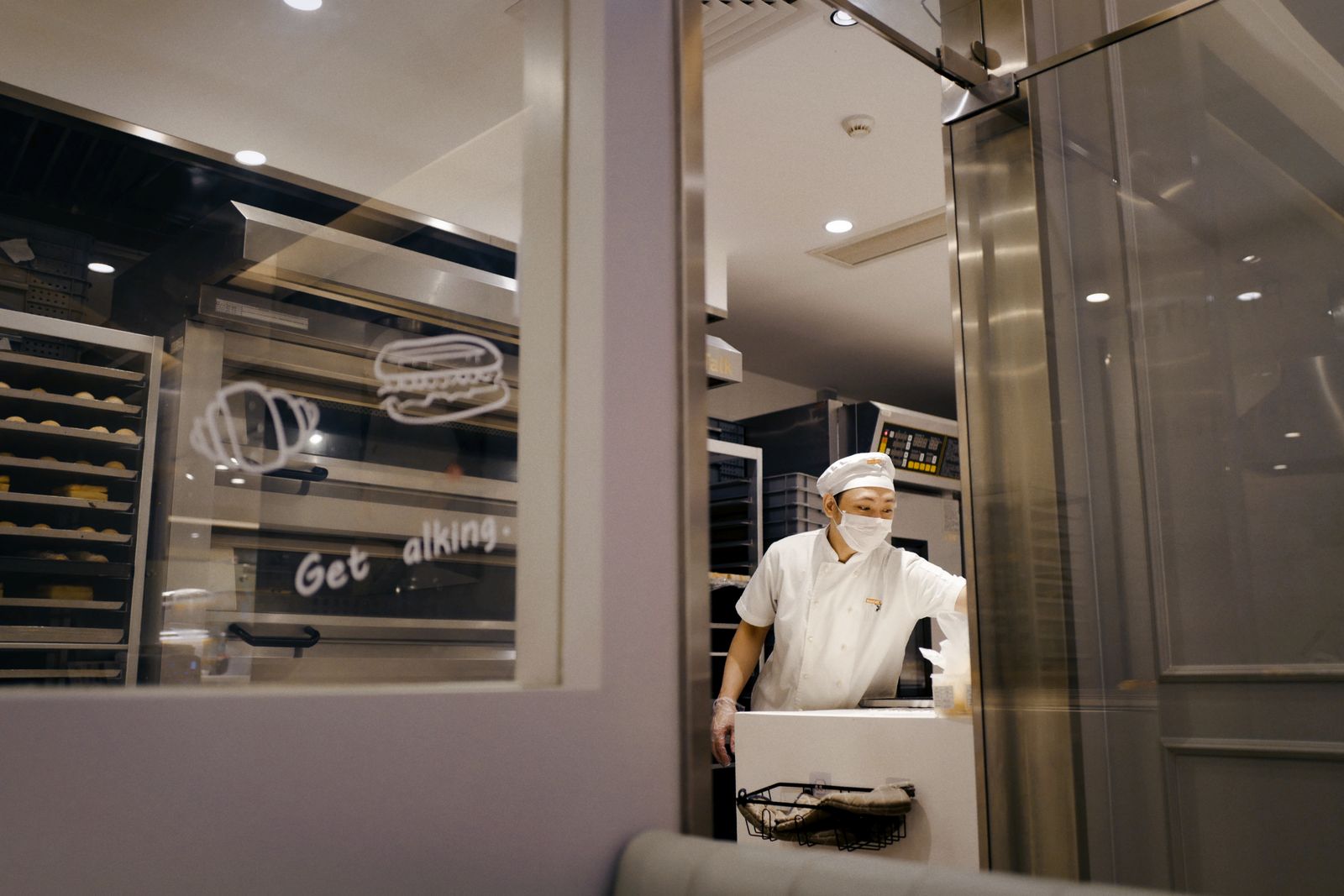
Eating and keeping it
Sourdough is at its best within the first day, crust crisp and crumb still moist. Store the cut side down on a board or in a paper or cloth bag, never in the fridge, which stales it faster. For longer keeping, slice and freeze, then toast straight from frozen, which suits sourdough particularly well. A whole loaf that has softened can be refreshed in a hot oven for a few minutes and eaten soon after. If you buy from Tico Pan Bakery, ask which loaf is mildest that day if tang is your concern. Batches vary a little with weather and timing, and the counter staff know which way a given day leaned.
Common questions
Is sourdough healthier than regular bread?
Fermentation can make some nutrients easier to absorb and may blunt the blood sugar rise compared with a similar yeasted loaf, but it is still bread. Whole grain versions add fiber, which matters more than the leavening alone.
Why is some sourdough barely sour?
Tang depends on the starter, the flour, and how long and warm the dough fermented. Mild loaves are often deliberate, made for sandwiches and for people who want the texture without much acid.
Can people who avoid gluten eat sourdough?
No. Long fermentation breaks down some gluten but does not make wheat sourdough safe for people with celiac disease or a gluten allergy.
Photos in this guide are representative stock images.
← All guides from Tico Pan Bakery← Back to Tico Pan Bakery